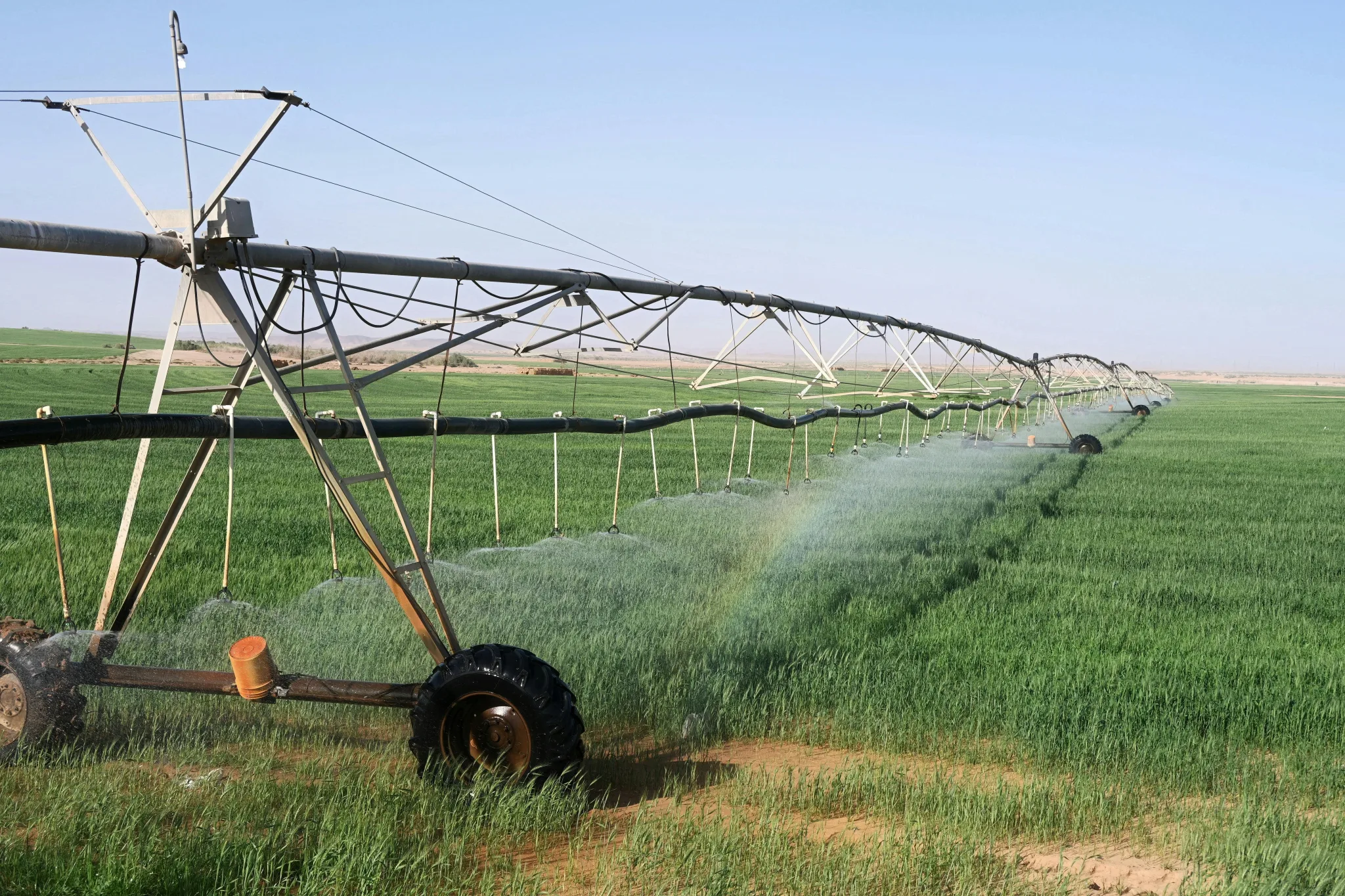
With rising urban expansion, increasing food demand, infrastructure development, and limited land availability, farmland is becoming a high-potential asset for investors looking for stability, long-term appreciation, and passive income. Unlike apartments or commercial properties, agricultural land is a tangible asset with low maintenance costs and strong growth potential. As cities expand and infrastructure projects reach rural and semi-urban areas, the value of farmland continues to rise steadily. Experts also highlight that agricultural land offers portfolio diversification and protection against inflation.
Benefits of Buying Agricultural Land
1. Strong Long-Term Appreciation
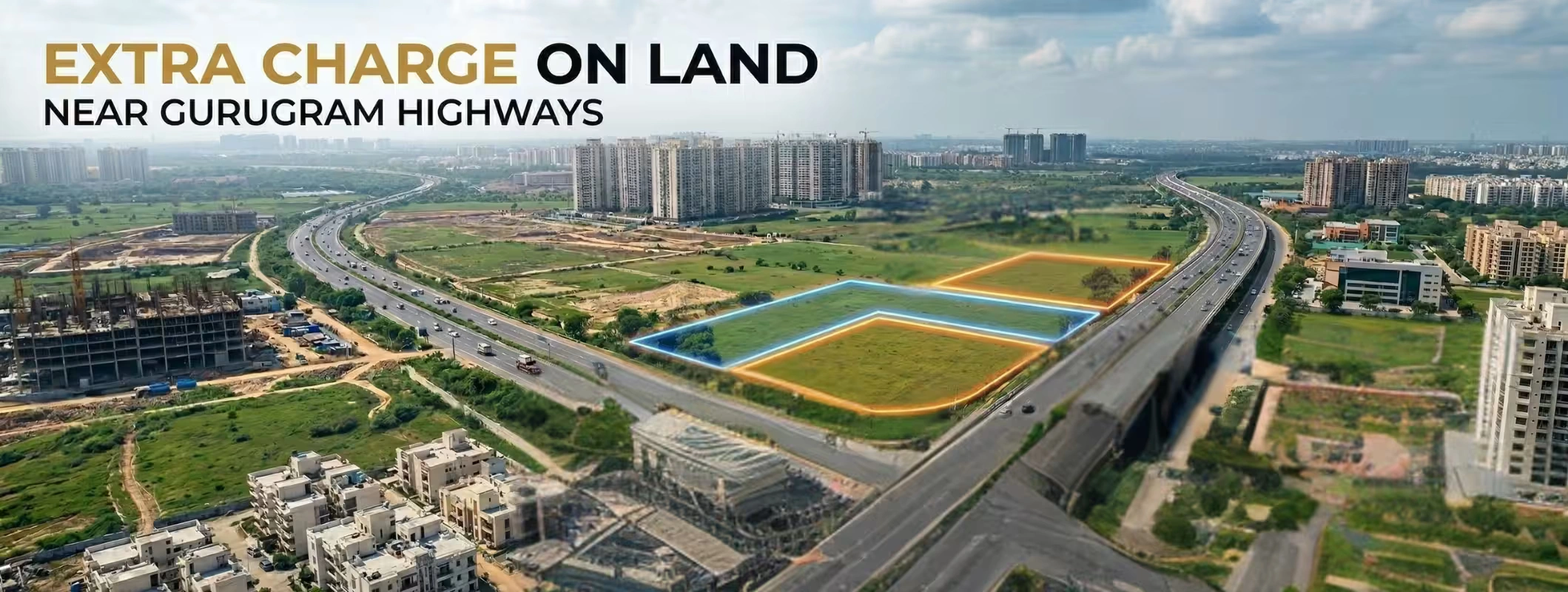
Agricultural land values generally increase over time due to limited supply and rising demand. Land near highways, industrial corridors, airports, and growing cities often sees rapid price appreciation.
2. Stable and Tangible Asset
Unlike stocks or digital investments, farmland is a physical asset that offers security and long-term ownership value. It is less volatile compared to many financial investments.
3. Passive Income Opportunities
Agricultural land can generate regular income through:
- Leasing to farmers
- Organic farming
- Fruit orchards
- Agro-tourism and farm stays
- Contract farming partnerships
Managed farmland projects are also becoming popular among urban investors.
4. Tax Benefits
In India, agricultural income enjoys tax exemptions under certain conditions. Rural agricultural land may also qualify for capital gains exemptions, making it financially attractive for investors.
5. Low Maintenance Cost
Compared to residential or commercial properties, agricultural land requires minimal maintenance expenses and no recurring building repairs.
Market Requirement and Future Scope
India’s growing population and food consumption are driving long-term demand for agricultural production. At the same time, urbanization is reducing available fertile land, making agricultural property increasingly valuable.
Current market trends show rising interest in:
- Organic farming
- Sustainable agriculture
- Farmhouse living
- Weekend farm investments
- Agro-tourism
- Managed farmlands
Additionally, government initiatives for land digitization and improved land transparency are making agricultural investments safer and more accessible.
Investors today are not only buying farmland for cultivation but also for:
- Wealth preservation
- Future development potential
- Retirement planning
- Secondary income generation