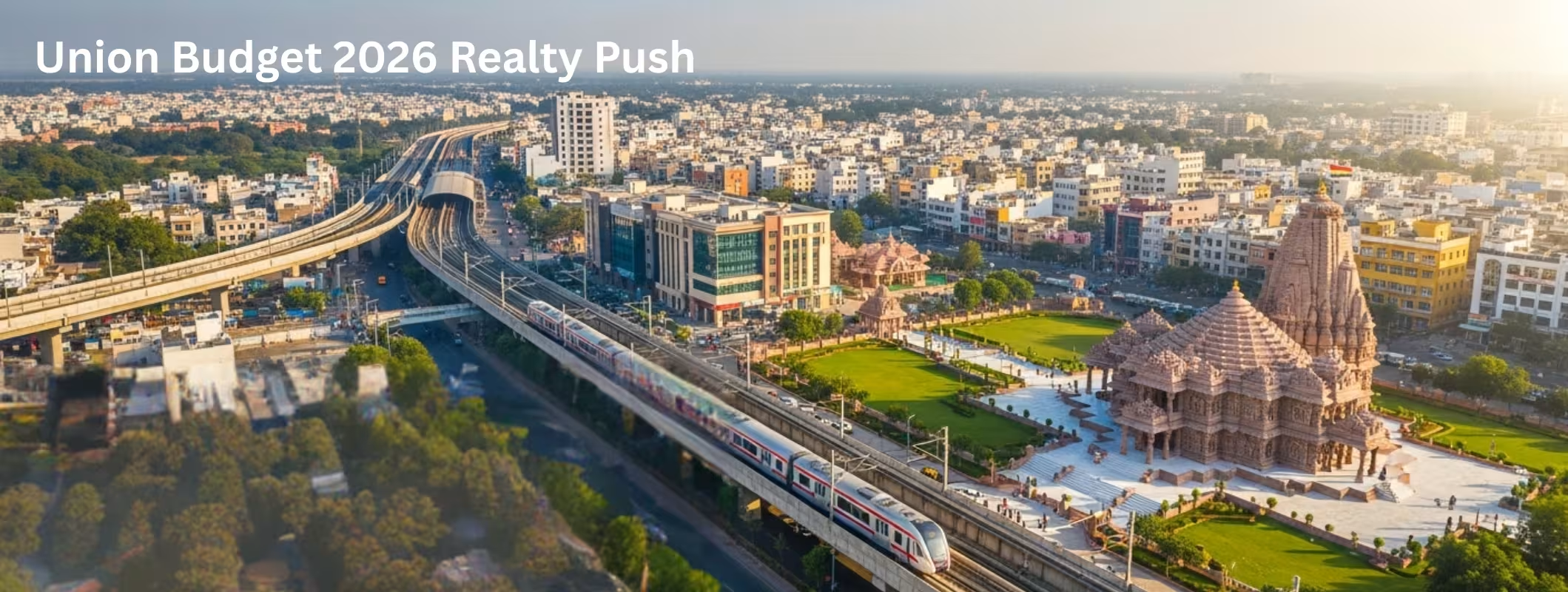
The Union Budget 2026 has quietly sent an important signal to the Indian real estate sector. A ₹5,000 crore push for Tier-2, Tier-3 cities, and temple towns may not grab headlines, but for anyone tracking real estate beyond Tier-1 cities especially those considering buying land- this is a moment worth noticing.
This isn’t about luxury towers or flashy township launches. It’s about smaller cities and temple towns finally getting policy attention. And when infrastructure money flows into these areas, land prices, housing demand, and even rental potential usually start moving soon after.
So let’s break down what the government has announced, why it matters right now, and what buyers and investors should realistically do next.
What the Budget 2026 Announced?
In Budget 2026, the government allocated ₹5,000 crore for infrastructure-driven growth in Tier-2 and Tier-3 cities, along with the temple towns in India. The aim is to enhance basic connectivity, infrastructure, housing support, and services that impact liveability.
The concept is quite simple. Instead of adding more burden to the already congested metros, the government wants growth to move out. The Tier-2 and Tier-3 cities, along with the temple towns, already witness a constant flow of people and economic activity. The only thing missing was proper investment.
This funding is expected to support:
- Better roads and transport access
- Housing and urban development projects
- Civic infrastructure in high-traffic temple towns
- Local employment and service ecosystems
For real estate, this matters because infrastructure spending often changes how land and property markets behave on the ground.
Why Does Budget Matters Now?
After the pandemic, the situation in India has changed. People do not feel the need to be in metros for employment. Others are moving back to their hometowns or nearby cities where the cost of living is less. However, religious tourism is also on the rise, and temple towns are witnessing consistent demand throughout the year.
When you add the spending on infrastructure to this, the equation changes. Jobs, tourism, education, and connectivity start pulling housing demand along with them. This is exactly how new micro-markets form. It’s also why people exploring Tier-2 cities real estate or temple town real estate are suddenly seeing more listings, more activity, and more conversations around land investment India.
Impact on Land, Housing, and Rentals
The ₹5,000 crore budget push is expected to improve infrastructure, increase land demand, support new housing projects, and gradually influence rental growth in emerging cities.
Land Prices: Slow Build, Not Overnight Jumps
One common myth is that budget announcements instantly double land prices. That rarely happens in smaller cities. What usually happens instead is a gradual price firming. Areas close to highways, bypass roads, railway stations, or proposed infrastructure see early interest. People looking to buy land in India, especially in emerging cities, often enter at this stage. In temple towns, land near entry routes, parking zones, and residential pockets tends to benefit more than land right next to crowded core areas.
Residential Demand: End-Users First
In Tier-2 and Tier-3 cities, residential demand is mostly end-user driven. These are families buying homes to live in, not flip. With better infrastructure and budget-backed development, demand for affordable apartments, plotted developments, and builder floors usually increases.
This is where Tier-3 city property markets start maturing. Prices may not skyrocket, but liquidity improves, and resale becomes easier over time.
Rentals and Small Commercial Spaces
Temple towns are a different story.
In this case, the demand for rental space may come from pilgrims, employees, vendors, and small businesses. Financial support will lead to improved sanitation, road connectivity, and public facilities, making such towns more desirable. Small shops, guest houses, and service-oriented commercial spaces may be the first to benefit. For those who intend to invest in farmland or land on the outskirts of towns, this will later mean opportunities for conversion, if permitted.
What Buyers and Investors Should Watch Carefully?
Location Selection Matters More Than City Names
Not every area in a Tier-2 city will benefit equally. Buyers often make the mistake of assuming the entire city will boom.
Look for:
- Proximity to highways or transport corridors
- Access to hospitals, schools, or employment hubs
- Areas mentioned in official plans, not rumours
Good micro-markets usually grow quietly before headlines catch up.
Connectivity Over Hype
A plot that looks cheap today but has no road access or unclear connectivity can stay cheap for years. Infrastructure budgets help, but they don’t fix poor location choices. Connectivity is what converts land into usable property.
Documentation Risks are Higher in Smaller Markets
In many Tier-3 cities and temple towns, land records can be old or fragmented. Inheritance issues, unclear titles, or local restrictions are common. This is where buyers often struggle, especially first-time investors chasing low prices or planning to sell land in India later without fully understanding exit challenges
Common Mistakes After Budget Announcements
Buying Too Early, Without Clarity
Budget announcements create excitement. But not all projects move at the same speed. Buying land purely on news can lock money for longer than expected.
Ignoring Local Rules
Temple towns often have special zoning rules. Agricultural land, heritage zones, or restricted construction areas can limit future use. This matters a lot for those looking at farmland or long-term land holding.
Chasing Headlines Instead of Ground Reality
“Next big hotspot” headlines sound tempting. But real growth depends on execution. Roads, utilities, and approvals matter more than press releases.
Where Platforms like 2Bigha Come in?
As property discovery changes, buyers no longer rely only on brokers or word-of-mouth. People want to explore options, compare regions, and understand land categories before making calls.
This is where platforms like 2Bigha fit naturally into the process.
2Bigha helps users:
- Explore land and property options across regions
- Understand location context beyond just price
- Compare different markets, from farmland to plotted developments
For buyers navigating Tier-2 cities real estate or temple town opportunities, early-stage research makes a big difference. It helps avoid rushed decisions based only on budget headlines.
The Bigger Picture
The ₹5,000 crore push in Budget 2026 is not a shortcut to instant profits. It’s a signal of direction. Smaller cities and temple towns are slowly becoming a part of the long-term Indian urban narrative. As a buyer or investor, the chance is definitely there but more than speed, the importance of patience, research, and understanding is critical.
Whether you are looking to buy land in India, searching for a housing opportunity in a Tier-3 city, or thoughtfully investing in agricultural land, the key to success will be those who understand the connection between infrastructure, demand, and the ground realities. In the real estate sector, the headlines begin the dialogue. The ground realities seal the deal.