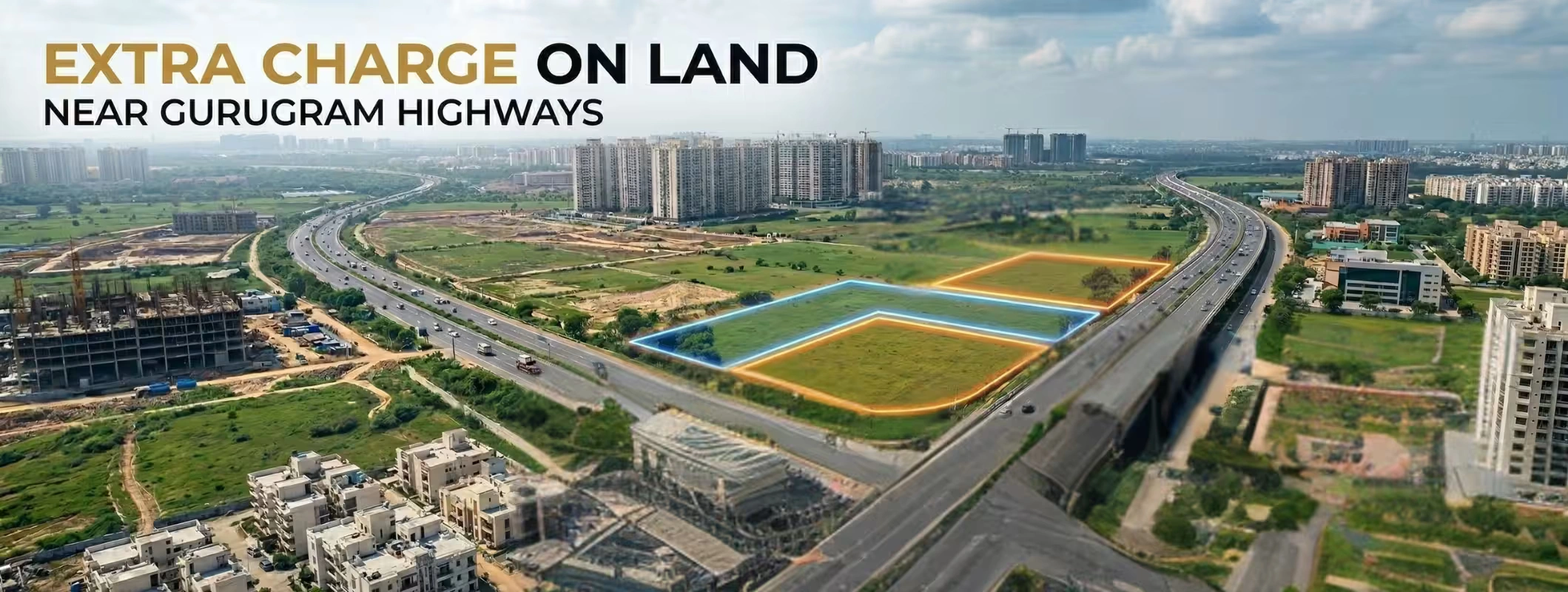
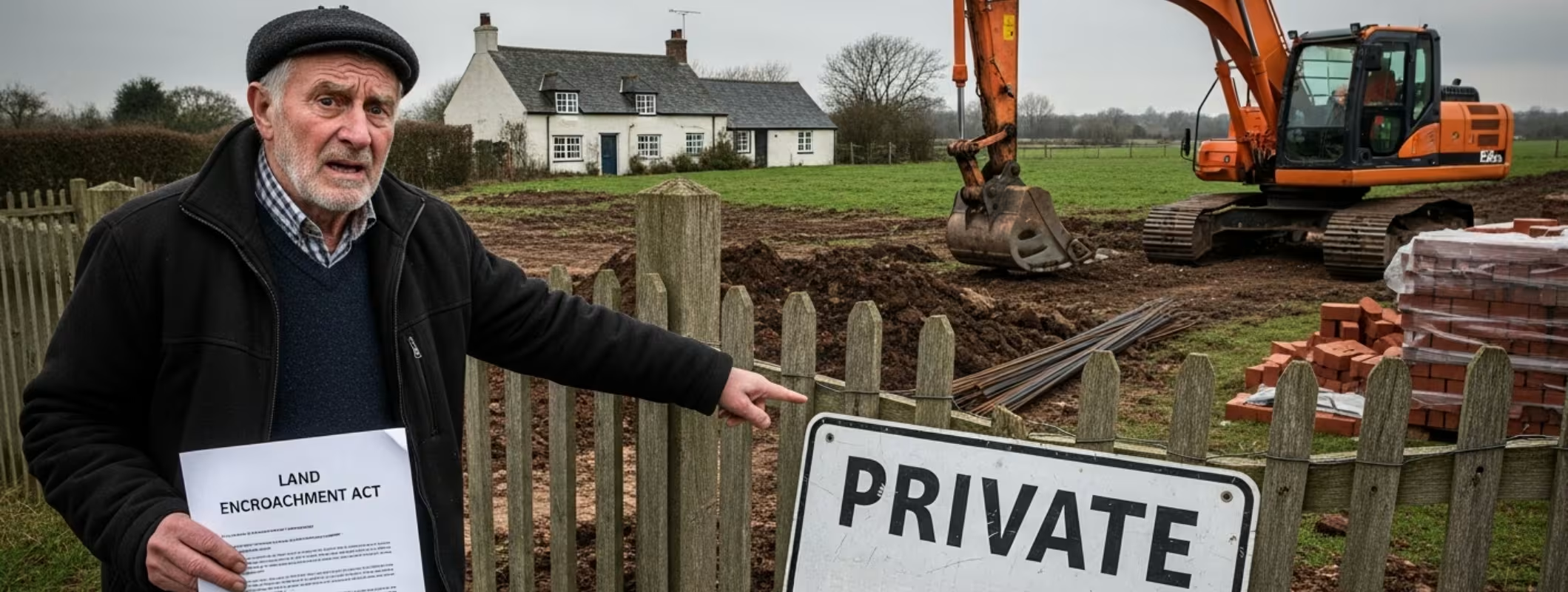
If you are planning to buy land in India, one risk you cannot afford to ignore is land encroachment. Many buyers focus only on price, location, or future growth but forget to check whether the land is actually free from illegal occupation. This is where the Land Encroachment Act becomes important.
Whether you are looking to purchase land online or are planning on selling land in the future, it is essential to understand how encroachment laws work in order to save yourself from legal and financial trouble.
We will discuss this in a simple manner, without using any legal terms.
What Is Land Encroachment?
Land encroachment refers to the situation where an individual occupies a piece of land that is not theirs. This can include:
- Constructing a house or a shed on another person’s land
- Expanding boundaries beyond the set limits
- Engaging in agriculture on government or private land without the right to do so
Encroachment is common in both urban and rural areas, especially where land records are old or unclear.
For buyers, the biggest mistake is assuming that “vacant land” automatically means “safe land.”
What is the Land Encroachment Act?
The Land Encroachment Act is a legal framework that allows authorities to identify, regulate, and remove illegal occupation of land, especially government land.
While each state has its own version of the act, the basic idea remains the same:
- Prevent illegal occupation
- Protect public and private land
- Provide a process for eviction of encroachers
As a buyer or investor, this law matters because encroached land can:
- Be taken back by authorities
- Get stuck in long legal disputes
- Lose resale value
Why Property Buyers Should Care About Encroachment Laws?
Many buyers assume encroachment is someone else’s problem. That’s where things go wrong.
You buy land online, pay the full amount, and register the sale deed. A few months later, you discover part of the land is occupied by someone else or worse, the land itself falls under government records.
Now the legal battle is yours. Understanding the Land Encroachment Act helps buyers ask the right questions before buying.
Common Encroachment Situations Buyers Face
Here are real-life scenarios that buyers often encounter:
1. Boundary Issues: The seller shows you one boundary, but official records show another. The extra portion is encroached land.
2. Long-Term Occupants: Someone has been living or farming on the land for years without ownership. Removing them becomes legally complicated.
3. Government Land Overlap: Part of the plot falls under road, pond, or government reserve land.
4. Inherited Farmland Disputes: Multiple heirs, unclear division, and unauthorized usage, very common in farmland investment.
These situations are exactly where encroachment laws come into play.
How the Land Encroachment Act Affects Buyers?
Under the Land Encroachment Act:
- Authorities can issue eviction notices
- Structures on encroached land can be removed
- Buyers may not get compensation
- Legal cases can run for years
Even if you bought the land in good faith, encroachment does not disappear just because a sale deed exists.
That’s why document clarity and ground verification matter so much.
Is Encroached Land Legal to Buy?
Short answer: No, it’s risky.
Encroached land may look attractive because:
- It is cheaper
- It promises “future regularisation”
- Sellers downplay the risk
But regularisation is never guaranteed. Many buyers end up stuck with land they cannot use, sell, or develop.
If your goal is long-term appreciation or a safe farmland investment, any risk of encroachment should be a deal-breaker. Always follow a Legal Checklist to Buy Farm Land to ensure the property is clear, verified, and free from disputes before making a purchase.
How Buyers Can Protect Themselves?
You don’t need to be a legal expert. You just need to be cautious.
Here’s what smart buyers usually do:
- Check land boundaries physically
- Match documents with ground reality
- Verify land use classification
- Ask about past disputes or notices
- Avoid deals that feel rushed
Encroachment problems often show early signs. Buyers just need to slow down and observe.
Buying Land Online? Be Extra Careful
When people buy land online, convenience increases, but so does responsibility.
Online platforms help you discover opportunities faster, but final checks still matter. Photos and listings cannot reveal encroachment issues on their own.
This is why experienced investors use online platforms for shortlisting, not blind decision-making.
Where 2Bigha Fits into the Process?
Platforms like 2Bigha help buyers and investors explore land options across regions in a structured way.
Instead of depending only on local brokers, buyers can:
- Compare land listings
- Understand land categories
- Shortlist properties for further checks
For people exploring farmland investment or planning to sell land online, this structured discovery helps reduce confusion and saves time.
2Bigha fits naturally at the research and discovery stage, where awareness matters most.
How 2Bigha Helps Buyers Think Smarter?
2Bigha supports better decision-making by:
- Organising land information clearly
- Helping buyers compare multiple options
- Encouraging informed evaluation
This makes buyers more alert about risks like encroachment before moving ahead.
Selling Land? Encroachment Can Hurt You Too
If you plan to sell land online, encroachment issues can:
- Reduce buyer interest
- Delay deals
- Lower property value
Transparent land details attract serious buyers faster. Sellers who resolve or clearly disclose land issues build trust and close deals more smoothly.
Final Thoughts
The Land Encroachment Act exists to protect land ownership, but it can become a serious issue for unaware buyers. If you are planning to buy land online, invest in agricultural property, or prepare to sell land online, understanding encroachment laws is not optional, it’s essential. Smart buyers don’t just look at price and location. They look at land reality, ownership clarity, and long-term safety. Platforms like 2Bigha help buyers start their journey with better awareness and structured discovery. But the final responsibility always lies with an informed buyer. When it comes to land, clarity today prevents conflict tomorrow.